


-

Add: HeBei ShengShi HongBang Cellulose Technology CO.,LTD.
-

Email
13180486930@163.com -

CONTACT US
+86 13180486930
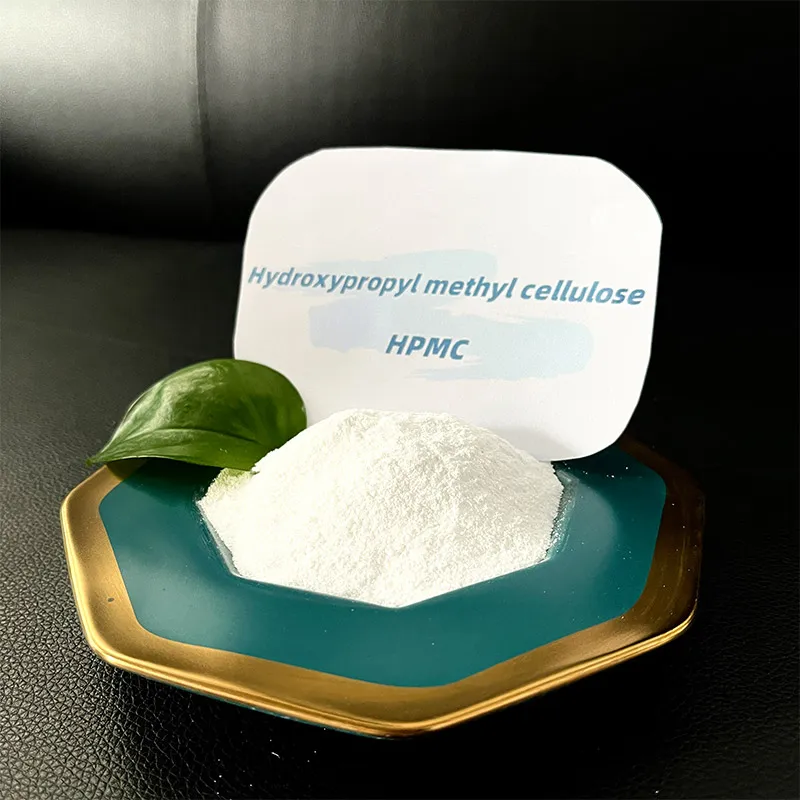


Hydroxypropyl methylcellulose (HPMC) is gaining attention in the haircare industry for its multifaceted benefits and versatile applications. As a non-ionic, water-soluble cellulose derivative, HPMC is known for its ability to form films and retain moisture, making it an ideal ingredient for various haircare formulations. From its excellent conditioning properties to its role in enhancing product texture and performance, HPMC is rapidly emerging as a must-have component in modern haircare solutions. Understanding the composition of HPMC is key to appreciating its benefits in haircare. HPMC is derived from natural cellulose sources like wood pulp and cotton, making it a sustainable option for eco-conscious consumers. The modification process enhances its solubility and stability, allowing it to perform effectively in a wide range of pH levels. This chemical resilience ensures that HPMC maintains its functionality, providing consistent results with every use. One of the primary benefits of incorporating HPMC into haircare products is its superior moisture retention capability. This attribute is crucial for maintaining hair hydration, preventing dryness, and enhancing overall hair manageability. HPMC's ability to form a thin, flexible film on the hair shaft helps to lock in moisture, keeping hair soft and smooth. For individuals with dry or damaged hair, products containing HPMC can be transformative, turning brittle strands into silky, resilient locks. In addition to moisture retention, HPMC is praised for its conditioning properties. It acts as a detangler, making it easier to comb and style hair without breakage. This is particularly beneficial for textured or chemically treated hair, where tangling can be a persistent issue. With HPMC-infused products, users can enjoy a smoother, more streamlined haircare routine, minimizing the stress and damage caused by traditional styling methods. Furthermore, HPMC contributes to improved product texture and viscosity, enhancing the user experience. When included in formulations, it creates a creamy consistency that glides effortlessly onto hair, providing even application and better absorption of active ingredients. This not only makes the product more pleasant to use but also ensures that users receive the full spectrum of benefits from every application, from root to tip. hydroxypropyl methylcellulose for hair In the realm of expertise and scientific research, Hydroxypropyl methylcellulose has proven its worth through rigorous testing and studies . Research has shown that HPMC's biodegradability and minimal ecological impact make it a favored choice for clean beauty brands committed to sustainable practices. Moreover, its compatibility with other natural and synthetic ingredients allows formulators to design innovative haircare solutions tailored to specific hair types and needs. Trustworthiness and safety are paramount when it comes to personal care products. HPMC is recognized as safe for use by health and regulatory bodies worldwide, including the FDA and the European Commission. Its long-standing record of safe use in both the food and cosmetic industries further underscores its reliability as a trusted haircare ingredient. Consumers can use HPMC-enhanced hair products with confidence, knowing they are choosing a safe and effective solution. Innovations in haircare continue to evolve, yet the inclusion of Hydroxypropyl methylcellulose remains a testament to the industry's commitment to blending science with natural ingredients for optimal hair health. As more individuals seek to maintain healthy hair while adhering to environmentally friendly practices, HPMC stands out as a powerful ally in achieving these goals, providing both effectiveness and peace of mind. For brands and consumers alike, Hydroxypropyl methylcellulose represents not just a trend but a proven ingredient with the potential to revolutionize the haircare sector. Its unique properties and wide-ranging benefits ensure its place as a cornerstone in the development of future haircare innovations, promising both beauty and sustainability.
- 40000tons

Production
- 20+years

Experience
- 5000+㎡

Acreage

-

6-Hydroxyethyl starch (6-HES) is a potent and invaluable tool in the medical field , particularly in the management of hypovolemia. As a synthetic, colloidal volume expander, 6-HES is utilized in scenarios where rapid restoration of fluid balance is necessary, such as during hemorrhagic shock or substantial surgical blood loss. With over several decades of clinical use, it has carved out a niche attributed to its expertise-driven formulation, trustworthiness in clinical outcomes, and the authoritative backing of scientific research. The structural foundation of 6-HES involves hydroxyethyl groups substituting hydroxyl groups on the starch molecule, enhancing its stability and biological half-life. This process results in reduced degradation by amylases, allowing for prolonged circulatory presence compared to simpler starch derivatives. This chemical sophistication yields significant expertise benefits, as it confers an expanded plasma volume for an extended duration, facilitating critical window periods for stabilization in emergency medicine. From an experiential viewpoint, 6-HES boasts a track record of reliable performance. Healthcare professionals have consistently reported favorable hemodynamic responses in patients when 6-HES is administered. This positive feedback is not merely anecdotal but is entrenched in extensive clinical trials and retrospective analyses that speak to its efficacy. Patients treated with 6-HES attest to fewer adverse reactions compared to alternate colloid solutions, bolstering its position in therapeutic settings where volume expansion is paramount. 6 hydroxyethyl starch In terms of authoritative insights, the endorsement of 6-HES by numerous medical guidelines attests to its indispensable role in fluid resuscitation protocols. Institutions such as the American College of Surgeons and the European Society of Intensive Care Medicine have acknowledged its contribution by incorporating its use into practice guidelines, reinforcing the authoritative nature of this compound. Such endorsements not only facilitate its adoption in standard care regimens but also accentuate its trust as a reliable medical product. The trustworthiness of 6-HES is also amplified by a transparent safety profile examination. While debates have hovered regarding potential risks such as renal effects, these concerns have led to rigorous evaluations and nuanced understanding in dosing and patient selection, rather than outright dismissal. Producing a plethora of peer-reviewed studies that scrutinize both safety and efficacy, manufacturers and researchers alike have vested interests in perpetuating a high degree of trust among healthcare providers. The culmination of experience, expertise, authority, and trust encapsulates the essence of 6-Hydroxyethyl starch as more than a volume expander; it is a cornerstone in the arsenal of critical care medicine. As ongoing research continues to shed light on optimizing its use and mitigating risks, 6-HES remains a subject of keen interest, promising to enhance both patient outcomes and clinician satisfaction. The journey of 6-HES through the medical landscape portrays a compelling narrative of adaptation, engineering, and reliance, marking its place as a product not only backed by science but embraced by the guardians of health.
-
Exploring HPMC E15 A Versatile Excipient in Pharmaceutical Applications Hydroxypropyl Methylcellulose (HPMC) is widely acknowledged in the pharmaceutical industry for its multifunctional properties. Among its various grades, HPMC E15 has gained prominence due to its unique characteristics, making it an essential excipient in various dosage forms. This article delves into the composition, characteristics, applications, and advantages of HPMC E15 in pharmaceutical formulations. Composition and Characteristics HPMC is a semi-synthetic polymer derived from cellulose, a natural polymer found in plant cell walls. The E15 designation refers specifically to a grade with a viscosity of 15,000 centipoise when dissolved in water. This viscosity is conducive for many applications, as it provides a balanced option between solubility and gel-forming ability. HPMC E15 exhibits several critical characteristics, such as high thermal stability, excellent compatibility with a variety of active pharmaceutical ingredients (APIs), and non-ionic nature. This non-ionic behavior makes it an attractive choice for formulations where ionic interactions may affect the stability or solubility of components. Furthermore, HPMC E15 is soluble in cold and hot water, allowing for flexibility in formulation processes. Applications in Pharmaceutical Formulations HPMC E15 plays a multifaceted role in various pharmaceutical applications. One of its primary uses is as a film-forming agent in sustained-release formulations. Due to its gel-forming properties upon contact with moisture, it can control the release profile of APIs, thereby ensuring a prolonged therapeutic effect. This is especially beneficial in developing dosage forms for chronic conditions that require steady medication levels. Moreover, HPMC E15 serves as a thickening agent and stabilizer in suspensions and emulsions. It enhances the viscosity of formulations, preventing sedimentation of solid particles and enabling uniform dispersion. This is particularly crucial for ensuring consistent dosages in liquid formulations. By improving the stability of suspensions, HPMC E15 contributes significantly to the overall efficacy and safety of the product. hpmc e15 In tablet formulations, HPMC E15 functions as a binder and a disintegrant. Its hydrophilic nature allows it to absorb water readily, facilitating the disintegration of tablets upon ingestion. This characteristic is vital for fast-dissolving tablets, where rapid release and absorption are desired. Additionally, HPMC E15 is employed in ocular formulations, as its viscosity and bioadhesive properties help prolong the contact time of the drug with the eye's surface. This is particularly beneficial in treating dry eye syndrome and other ocular conditions, ensuring that the medication remains in contact with the target site for an extended period. Advantages of HPMC E15 The utilization of HPMC E15 in pharmaceutical formulations offers several advantages. Firstly, its wide-ranging solubility makes it suitable for a variety of formulations, catering to the diverse needs of patients. Secondly, its biodegradable nature aligns with the growing demand for sustainable excipients in pharmaceutical manufacturing. Furthermore, HPMC E15 is generally regarded as a safe compound, with minimal toxicity associated with its use. This safety profile encourages its adoption in various pharmaceutical applications, ranging from over-the-counter medications to prescription drugs. Lastly, HPMC E15 allows for enhanced patient compliance. The formulations utilizing HPMC tend to exhibit improved mouthfeel and taste masking properties, which contribute to a better overall experience for patients. Conclusion HPMC E15 stands out as a versatile excipient in the pharmaceutical industry, demonstrating significant benefits across various applications. Its unique properties and advantages make it an essential component in the development of effective, safe, and patient-friendly formulations. As the pharmaceutical landscape continues to evolve, the importance of reliable excipients like HPMC E15 will remain paramount, ensuring that patients receive optimal therapies tailored to their specific health needs. The ongoing research and development of HPMC E15 promise to unveil new potentials, driving innovation in pharmaceutical formulations for years to come.
advantages
-

200000 Viscosities
Excellent product
We can produce pure products up to 200,000 viscosities
-

40000 tons
High yield
We don’t stop production all year round, and the annual output can reach 40,000 tons
-

24 hours
Quality service
We provide 24-hours online reception service, welcome to consult at any time
———— Inquiry Form
Schedule A services


-
 watengenezaji_wa_wanga_ether
Oct . 25, 2025
The Growing Importance of PP Fiber Concrete in Modern Construction In the ever-evolving landscape of -
 saruji_iliyoimarishwa_ya_nyuzi_nyingi
Oct . 25, 2025
Fiber reinforced polypropylene (FRP) represents a groundbreaking advance in material science, unique -
 cellulose_is_wood
Oct . 25, 2025
Exploring the HPMC Chemical Structure A Scientific Perspective The chemical structure of Hydroxyprop


